


Life-Changing Tips for New Parents (+ Emergency Numbers Template)
Once you see those two pink lines on a pregnancy test, everything changes. One minute you’re celebrating, and the next you’re lying awake wondering if you’ve bought the right car seat, whether babies really sleep that little, and why everyone seems to have completely different advice.
I remember feeling like I had a hundred tabs open and still not knowing what I actually needed to know. After years of working in medical content, I also realized that parents keep asking the same questions over and over. So instead of sending you down another rabbit hole, I worked with a pediatrician to put together the tips for new parents I wish someone had handed me from the start. You’ll also find a printable emergency contact list and a simple “What’s Normal?” cheat sheet you can keep on your phone for those moments when you just need a quick, reassuring answer.
What are the most important tips for new parents?
The best tips for new parents are to learn safe sleep basics, feed your baby according to their cues, keep important medical numbers nearby, accept help, and contact your pediatrician when something feels wrong. You do not need to know everything immediately, but you do need reliable support and a few clear safety basics.
Learn your baby’s cues (instead of watching the clock)
In the beginning, it can feel like your baby cries for no reason. Then, almost overnight, you start noticing little patterns. They turn their head looking for a feed, suck on their hands when they’re hungry, rub their eyes when they’re tired, or become fussy because they’re overstimulated.
You won’t pick up every cue straight away, and that’s completely normal. The more time you spend with your baby, the more you’ll start recognizing what different sounds, movements, and expressions mean. Before long, you’ll find yourself saying, “I know exactly what that cry means.”
Some settle more easily with consistent background noise. A white noise machine can help create a familiar sleep environment at home or while traveling.
What should every new parent know before bringing a baby home?
Before your baby arrives, focus on the essentials rather than trying to prepare for every possible situation. The most helpful newborn tips for new parents include learning safe sleep guidelines, knowing how to spot when your baby needs medical care, and having important emergency contacts ready before you ever need them.
One item many parents end up using every day is a set of swaddle blankets. A proper swaddle can help some newborns feel secure and reduce the startle reflex during sleep (always stop swaddling once your baby shows signs of rolling).
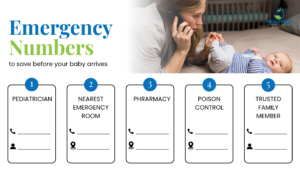
Save these emergency numbers before you need them
When your baby has a high temperature at 2 a.m., or you’ve got a question that can’t wait until morning, the last thing you want is to be searching online for the right phone number.
Take five minutes before your baby arrives to save your pediatrician, the nearest emergency room, your pharmacy, poison control, and a trusted family member in your phone. If your baby has any medical conditions, allergies, or takes medication, keep those details together too.
You’ll probably never need most of these numbers, but if you do, you’ll be glad they’re already there.
Which newborn habits make life easier during the first year?
The habits that make the biggest difference are often the simplest. Feeding your baby when they’re hungry, creating a consistent bedtime routine, keeping baby essentials stocked, and taking turns with overnight care can make everyday life feel far less overwhelming as your baby grows.
Make life easier for your future self
The first year is full of little jobs that don’t seem like much until they all pile up. A few small habits can save you a surprising amount of stress.
Refill the diaper bag as soon as you get home instead of waiting for the next outing. Wash bottles before going to bed rather than leaving them for the morning. If you’re bottle-feeding or pumping regularly, a bottle sterilizer can make the daily cleaning routine much quicker and more convenient, especially during those exhausting first few months.
And for pumping, having a simple system for labeling and storing expressed milk can save time and reduce waste. Keep a spare change of clothes for both you and your baby in the car. Even something as simple as keeping nappies and wipes on every floor of the house can make those busy days a little easier. Many breastfeeding parents also find that a hands-free breast pump gives them more flexibility, making it easier to pump while preparing a meal, caring for their baby, or getting small tasks done around the house.
You don’t need to organize every minute of your day. Just look for small ways to make tomorrow a little easier than today.
What mistakes do most first-time parents make?
The most common mistakes first-time parents make are comparing their baby to others, trying to follow conflicting advice, ignoring their own need for rest, and expecting themselves to get everything right immediately. Babies don’t need perfect parents, they need caregivers who keep learning and respond to their needs.
Trust yourself more than social media
One day, you’ll read that your baby should be on a schedule. The next day, someone tells you schedules don’t work. One person swears by a certain sleep method, while another says never to try it. It’s no wonder so many new parents end up feeling confused.
If your baby is growing well, your pediatrician is happy with their progress, and your instincts tell you something is working, don’t feel pressured to change course because of a video you watched online. Every baby is different, and what works beautifully for one family may not work for yours.
Sometimes the best thing you can do is close the app, cuddle your baby, and remember that you know them better than anyone else.
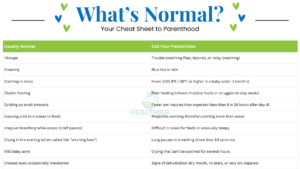
How can new parents tell what is normal and what needs medical attention?
New parents can tell what is normal by learning the common behaviors most newborns experience and recognizing the warning signs that need medical care. If your baby has trouble breathing, a fever, poor feeding, or something simply doesn’t feel right, contact your pediatrician rather than waiting to see if it improves.
Of course, some crying lasts much longer than parents expect. If your baby cries for hours at a time but otherwise seems healthy, learning about colic and how it’s managed can help you know what to expect.
New Parent Reassurance Guide
How can new parents take care of themselves?
The best way for new parents to take care of themselves is to meet their own basic needs, too. Eat when you’re hungry, drink plenty of water, sleep whenever you can, and ask for help before you’re completely exhausted.
Your baby isn’t the only one adjusting
Everyone talks about how much a baby changes your life, but nobody really tells you how much it changes your relationship. Suddenly you’re both tired, you’re both learning, and you’re both figuring things out as you go.
Be patient with each other. Some days one of you will have more to give than the other, and that’s okay. You’re on the same team, even when you’re both running on very little sleep.
It’s also worth remembering that emotional changes don’t only affect mothers. Fathers can experience postpartum depression too, and recognizing the signs early can make a big difference for the whole family.
FAQs
What is good advice for first-time parents?
One of the most helpful tips for new parents is to trust that you’ll learn as you go. Focus on your baby’s needs instead of trying to follow every piece of advice you hear, and don’t be afraid to ask for help when you need it. No parent has all the answers on day one.
What are the golden rules of parenting?
The golden rules of parenting include showing your child love and affection, creating consistent routines, setting clear boundaries, leading by example, and responding to your child’s needs with patience and respect.
As your child grows, you’ll also naturally develop your own parenting approach. Learning about different parenting styles can help you find one that matches your family’s values.
What should every new parent have ready before bringing their baby home?
Along with baby essentials like nappies, clothing, and a safe place to sleep, don’t forget the home safety tips for new parents. Save your pediatrician’s number, know where your nearest emergency room is, install your baby’s car seat correctly, check your smoke alarms, and keep emergency contacts somewhere easy to find. Preparing these basics before your baby arrives can give you one less thing to worry about once you’re home.
Once your baby starts sleeping independently, a baby monitor with app access can give you extra peace of mind by letting you check on them from another room or while you’re outside in the garden.
Conclusion: Your Go-To Guides for the First Year
Every new parent has moments when they’re unsure what to do next. Instead of trying to remember everything you’ve read, keep our Emergency Contact List and “What’s Normal?” Guide close by. Save them to your phone or stick them on the fridge, so whenever a question pops up, you’ll have trusted tips for new parents right at your fingertips.
OUR REVIEW PROMISE
Evidence-based, clearly reviewed.
Healthier Baby Today articles are reviewed for accuracy and updated as guidance changes.
Last updated: July 22, 2026