
The first time you pick up your newborn, you probably expect their little legs to dangle. Instead, they pull their knees right up to their chest, curl their back, and tuck themselves into a tiny little ball. It’s a moment that catches many new parents by surprise and often leads to the same question: Is this normal? In most cases, the answer is yes. This curled-up position, often called the newborn scrunch, is a common part of early development while your baby adjusts to life outside the womb.
In this guide, we’ll explain why it happens, how long it usually lasts, and when it’s worth speaking to your pediatrician.
What is the newborn scrunch?
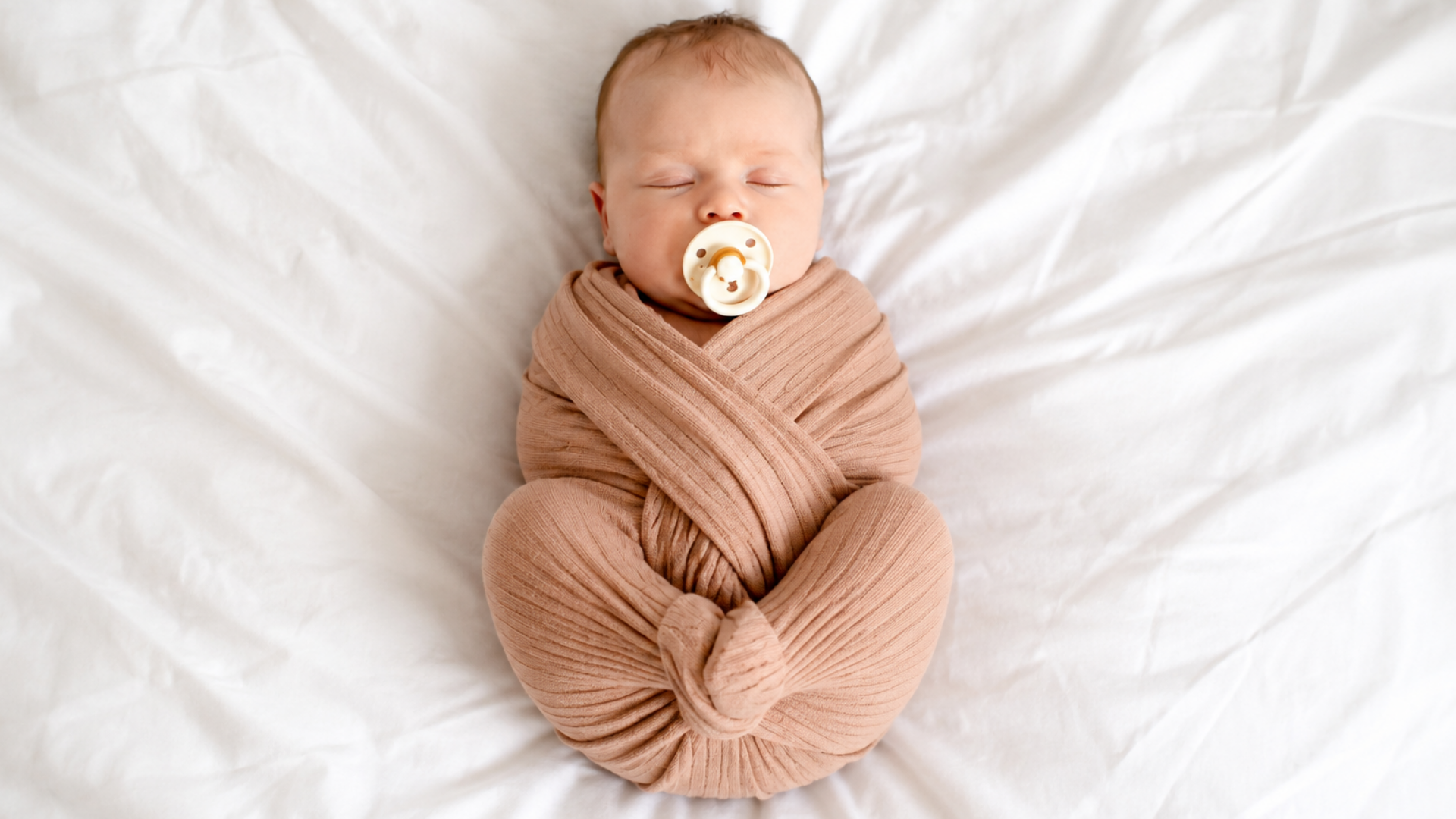
The newborn scrunch is the natural curled-up position many babies adopt during their first few weeks of life. They may pull their knees towards their chest, round their back, and keep their hands in little fists, especially when being picked up, sleeping, or breastfeeding. This is a normal part of early newborn development.
Why the newborn scrunch is most noticeable when picked up
Many parents first notice the newborn scrunch when they pick their baby up because that’s when the curled-up position becomes much more obvious. Instead of letting their legs dangle, newborns instinctively pull their knees back towards their tummy, often curling their back and keeping their hands tucked in close. This is simply the position they’ve become comfortable in after spending months curled up inside the womb, and it gradually becomes less noticeable as they begin stretching out more often.
Is the newborn scrunch normal?
Yes. It’s normal during the first 6 to 8 weeks of life as your baby adjusts to life outside the womb. As time passes, this adorable newborn scrunch gradually disappears, and your baby gains more control of their muscles, allowing for more purposeful movements. If your baby continues to stay tightly curled well beyond the newborn stage or you notice other concerning symptoms, speak to your pediatrician.
Signs your baby’s scrunch is part of normal development
- Equal movement on both sides: If your baby is making similar movements on both sides of their body, you should take this as a good sign. The movements won’t always be perfectly symmetrical, but you should see both arms and both legs moving. This is a healthy sign of normal development.
- Relaxed after a few moments: Your baby will usually relax again after a few moments, and this is completely normal as they become more comfortable in your arms.
- Feeding and growing well: As long as your baby isn’t having difficulty feeding and they are growing well, you shouldn’t have anything to worry about.
If you’re breastfeeding and want to make sure your baby is getting enough milk, learning how to store breast milk correctly can help you build a safe supply for feeds later on.
When it’s worth speaking to your pediatrician
- One-sided movement: If your baby is moving one side of their body much more than the other or consistently favors one side, you should mention this to your pediatrician, as it could be a sign that further assessment is needed.
- Persistent stiffness: If your baby seems unusually stiff most of the time or rarely relaxes their arms and legs, mention this to your pediatrician, as this could be a sign that they need further assessment.
- Poor feeding: If your baby is not feeding well or is struggling to feed, this should be mentioned to your pediatrician as soon as possible.
- Other concerning symptoms: Be on the lookout for other concerning symptoms, such as a fever, constant crying for no apparent reason, difficulty breathing, unusual sleepiness, or anything else that doesn’t seem right.
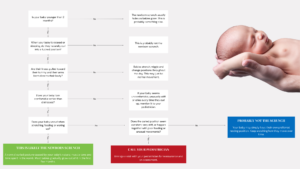
Is This Really the Newborn Scrunch? Decision Tree
Why do newborns scrunch?
Newborns scrunch because they are used to the limited space they had in the womb. After spending months in a curled-up position, it’s completely normal for them to keep their legs tucked up, their backs rounded, and their hands in little fists during the first few weeks of life. As they adjust to having more space and develop better muscle control, they gradually begin stretching out more often.
Muscle tone changes during the first few months
As newborns grow, they develop the ability to make more controlled and purposeful movements. This is normally when they stop doing the newborn scrunch, and it is a healthy sign of development. Many babies start stretching out more by around 6 weeks, although every baby develops at their own pace. If your baby continues to stay tightly curled well beyond the newborn stage or you have concerns about their movement or muscle tone, it’s best to speak to your pediatrician.
How is the newborn scrunch different from other newborn reflexes?
Although the newborn scrunch is often grouped together with newborn reflexes, it isn’t actually a reflex like the Moro (startle) reflex or rooting reflex. Instead, it’s a natural curled-up position that many babies adopt during their first few weeks of life as they adjust to being outside the womb. Newborns can display both the newborn scrunch and their normal newborn reflexes at the same time.
Why babies can have several reflexes at the same time
Your baby may show several different newborn reflexes during the first few months of life, and this is completely normal as their nervous system continues to develop. These reflexes help your baby feed, respond to their surroundings, and protect themselves while they adjust to life outside the womb. At the same time, you may also notice the newborn scrunch, which gradually becomes less noticeable as your baby gains better muscle control.
When does the newborn scrunch go away?
After about 6 to 8 weeks, many babies begin making more controlled muscle movements and become more comfortable stretching out as they adjust to life outside the womb [happiestbaby.com]. Newborn parents are urged to soak up these adorable baby scrunches and take plenty of pictures, as they certainly won’t last forever.
Changes you’ll probably notice first
- Longer stretches: At first, you will notice your baby stretching out more often; this is a sign that they are becoming more comfortable outside the womb and developing better muscle control.
- Better head control: Your baby will gradually develop better head control as their neck muscles become stronger. This is an important developmental milestone. As your baby gains better head control, you’ll soon be ready to spend more time on the floor together. If your little one isn’t a fan, our guide to what to do if your baby hates tummy time can help.
- More purposeful movements: As your newborn grows older, they will start making more controlled and purposeful movements, such as bringing their hands to their mouth, reaching for objects, or batting at toys. These are all healthy signs that their muscles and nervous system are developing.
Can you help your baby outgrow the newborn scrunch?
The newborn scrunch disappears naturally, and parents are advised to let their baby outgrow it on their own. There’s no need to encourage your baby to stretch out, as they will gradually do this as they become more comfortable outside the womb and develop better muscle control.
What not to do
- Don’t force your baby to straighten out, as this might hurt them. Let them relax in the position they find most comfortable [thebump.com].
- Avoid stretching your baby’s arms or legs, as they will naturally begin stretching and moving more as they grow. Forcing these movements could do more harm than good. If you’re looking for ways to encourage your baby’s natural development, a play mat can provide a safe space for supervised play and movement. Follow the link below for a great option if that’s what you’re looking for.
- Don’t compare your baby’s milestones with another baby’s. Every baby develops at their own pace, and rushing a milestone can cause unnecessary stress. If you feel your baby isn’t developing as expected, speak to your pediatrician.
Conclusion: What to Remember
Rather than worrying every time your baby curls into a tiny ball, use the Decision Tree to understand what’s typical during the newborn stage. Remember that the newborn scrunch is a normal part of your baby’s adjustment to life outside the womb and, for most babies, gradually disappears on its own within the first few weeks. If something doesn’t seem right or you’re ever unsure about your baby’s movements or development, trust your instincts and speak with your pediatrician.
FAQs
Is newborn scrunch safe?
Yes. The newborn scrunch is completely safe and is a normal position for many newborns during their first few weeks of life. When your baby is sleeping, they should always be placed on their back on a firm, flat sleep surface with no blankets, pillows, or toys in the cot. If you want to help your baby feel secure while they sleep, a swaddle that is used correctly and safely can help keep them comfortable during the newborn stage.
If you’re unsure how to wrap your baby safely, our step-by-step guide on how to swaddle explains everything you need to know.
What if my baby doesn’t do the newborn scrunch?
Not all newborns exhibit the newborn scrunch, and that’s completely normal. Every baby develops differently, and the newborn scrunch should not be considered a developmental milestone. Some babies naturally spend more time stretched out than others.
What comes after the newborn scrunch?
As your baby grows and becomes more comfortable outside the womb, the newborn scrunch gradually becomes less noticeable. Over the next few weeks, you’ll begin to see more purposeful movements, such as stretching out, bringing their hands to their mouth and developing better head control as their muscles become stronger.
OUR REVIEW PROMISE
Evidence-based, clearly reviewed.
Healthier Baby Today articles are reviewed for accuracy and updated as guidance changes.
Last updated: August 17, 2026