
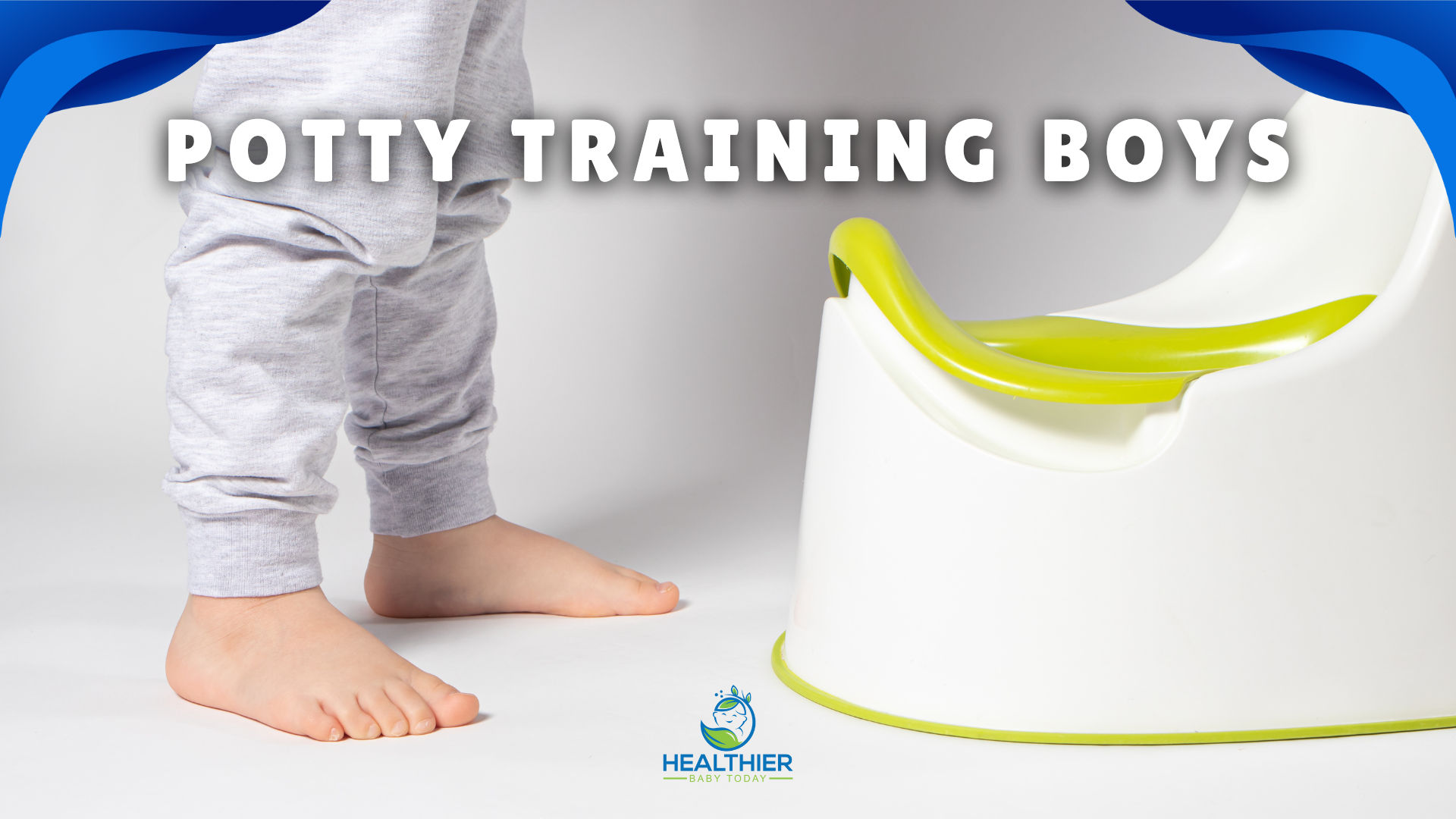
You’re sick of diapers, and messes are driving you crazy. Potty training boys is tough, but you can make it easier with clear steps and fun tricks. This guide outlines when to start, how to proceed, and provides tips on staying calm. You’ll learn why it’s hard and how to help your kid succeed.
By the end, you’ll feel ready to tackle this big step and cheer for your boy’s progress. Let’s get started!
Why Potty Training Boys Feels Hard

Boys often take longer to learn than girls, typically acquiring the skill between the ages of 2 and 4 years old. Their bodies aren’t ready yet, and they don’t focus well, so messes happen for 80% of boys.
Here’s why it’s hard:
- Body challenges: Aiming to pee is tricky, and their bladders are still growing, causing spills.
- Behavior: Many boys don’t like sitting still or wearing diapers because they feel uncomfortable. About 20% fear the size of the toilet or the loud flush.
- Your stress: Cleaning up messes and slow progress wears you out. People expecting fast results add pressure.
Boys often need more time than girls to figure it out because they’re less chatty about their needs. Knowing these issues helps you stay patient and create a plan that suits your child, keeping stress levels low.
When to Start Potty Training a Boy

Knowing when to potty train boys is crucial. Experts say ages 24 to 36 months are best, but it depends on your kid. Look for signs like staying dry for 2 hours, pulling pants up or down, or liking the toilet. Approximately 70% of boys exhibit these behaviors by age 3. If your kid says he needs to go or copies you in the bathroom, he’s likely ready.
When to start potty training boys depends on those signs. Starting before 18 months can cause it to take longer and increase stress. Waiting past age four might make diapers a habit, which is hard to break. Children starting later may feel left out at preschool, where 90% of their peers are already trained. Watch for regular poops or toilet curiosity. If he’s not ready, wait a month to keep it easy.
How to Potty Train a Boy
Learning how to potty train a boy needs a clear plan that’s also flexible. A steady routine with fun rewards is most effective for most boys.
Try these steps to guide your kid while keeping things calm and fun.
Step 1: Introduce the Potty
Show the potty as a fun thing, not a job. Let your kid sit on it with their clothes on to feel okay, as 60% of boys need this to overcome their fear [health.ucdavis.edu]. Use a small potty chair that’s steady, since big toilets can seem spooky. Show him how you use the bathroom so he can copy you. Keep it brief, around 5 minutes, so he stays engaged without feeling rushed.
Step 2: Build a Routine
Make a routine to help him learn. Have him sit on the potty after eating or drinking, when he’s likely to go. Set a timer for every 2 hours to remind him. Place the potty in a visible spot, such as the living room, initially, as boys tend to prefer seeing it. Praise him even for small attempts, like sitting for a bit, to make him feel good. Don’t force him, as 50% of boys say no if pushed.
Step 3: Add Fun and Rewards
The best way to potty train a boy is to make it exciting. Try a 3-day weekend at home with underwear or no pants to help him feel when he needs to go. Give stickers for wins, which excites the majority of children. Teach standing pee after sitting to make aiming easier. Use a step stool and fun toilet targets. Clean up messes calmly, as yelling can slow things down by weeks. Use pull-ups for naps, but stick to underwear at home.
Clever Tricks to Make It Easier

Here are some potty training tips for boys to turn stress into fun:
- Decorate the potty: Let your kid stick on fun stickers or choose a bright seat to get excited.
- Use fun targets: Toss cereal bits in the toilet as targets for aiming, making it a game for 65% of boys.
- Create a reward chart: Give stars for each attempt to keep him motivated. Rewards motivate many young boys [pottytrainingconsultant.com].
- Keep extra clothes: Have spare pants ready for quick cleanups to cut stress.
- Involve him: Let him choose or pick out cool underwear, like superhero ones, to make him feel in charge.
- Play to ease fear: Use a stuffed animal on the potty to help 40% of boys feel braver.
- Nighttime help: Cut drinks 2 hours before bed and use a waterproof bed pad.
Conclusion: Can Potty Training Boys Be Easy?
Potty training boys can test you, but you can handle it. With the right timing, clear steps, and fun tricks, you’ll help your kid succeed. Messes and setbacks are part of it, but staying calm and following his pace makes it easier. You’ll know how to guide him through this big step, turning a tough job into a proud moment for both of you.
FAQs
Why is my son scared of the potty?
Fear is common, affecting 20% of boys, due to the size or loudness of the toilet’s flush. Let him put stickers on the potty or wave bye to waste from a distance to feel braver.
How long does potty training boys take?
Most boys learn within 3 to 6 months, with 80% achieving this by age 4. Nighttime training can take longer, often past age 5.
What if my son keeps having messes?
Messiness is normal for 70% of boys in the first month. Stay calm, check for constipation, and cheer his efforts to build confidence.
Can I potty train my boy before age 2?
Starting potty training a boy before 18 months can be challenging, as most aren’t ready. Look for signs like staying dry for 2 hours or increased interest in the toilet.
Should I use rewards for potty training?
Yes, rewards like stickers excite boys. Give small treats or praise for sitting or trying, but keep rewards simple to focus on the goal.
What’s the best potty for boys?
A small potty chair with a splash guard is most effective, used by 60% of boys for added comfort [bambinomio.co.uk]. It’s steady and less scary than big toilets.
How do I teach my son to aim while peeing?
Teach standing after he learns sitting. Use cereal bits or target stickers in the toilet as a fun game to practice aiming and coordination.
Why does my son refuse potty training?
Pushback, observed in 50% of boys, stems from fear or a dislike of wearing diapers. Wait a week, use cool underwear, or play to make it less scary.
Is nighttime training different for boys?
Yes, 30% of boys still wet the bed after the age of 5. Cut back on drinks before bed, use pull-ups, and be patient, as nighttime control typically develops over time.
How do I stay calm during potty training messes?
Messes hit 80% of boys. Take breaks, stay calm in the face of spills, and praise attempts. A steady routine and positive vibe help you both keep going.
OUR REVIEW PROMISE
Evidence-based, clearly reviewed.
Healthier Baby Today articles are reviewed for accuracy and updated as guidance changes.
Last updated: July 17, 2026