
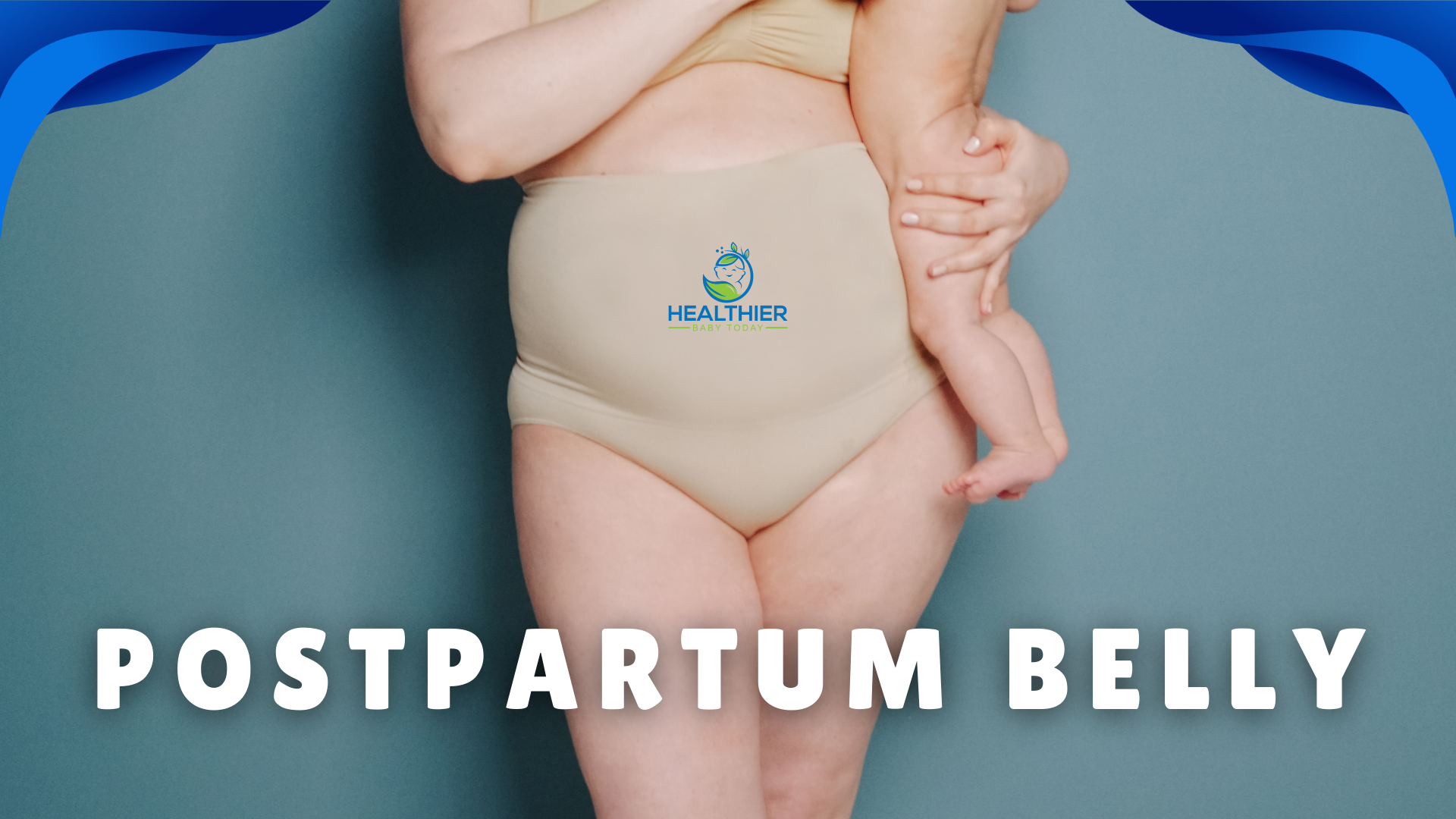
New moms might notice that they have a postpartum belly after giving birth and wonder if it’s okay. It’s normal to feel curious about changes to your body. Giving birth is a big deal, and the body needs time to heal. This guide explains what’s normal, what’s not, and how to care for the tummy.
It’s clear, simple, and packed with tips!
What Is a Postpartum Belly?

A post pregnancy belly is how the tummy looks after having a baby. It might stay round, soft, or puffy, which is normal. The body stretches to carry a baby, and it takes time to settle. According to studies, about 80% of new mothers notice their tummy looks different for months. This is all part of the healing process.
The tummy won’t look the same right away, and that’s fine. Muscles, skin, and insides need weeks or even a year to adjust. A soft pouch or loose skin is a common occurrence. This guide shares what to expect and simple ways to help the body recover.
What’s Normal for a Postpartum Belly?
A postnatal tummy changes in ways that are completely okay. It won’t look like before right away, but that’s no problem. Knowing what’s normal brings peace of mind.
Here are six common changes new moms see after giving birth:
Round Shape
The tummy stays round for weeks or months. Muscles and skin stretched to hold the baby, needing time to return to their normal state. Approximately 90% of new mothers experience a round after pregnancy belly for 6 to 12 months, according to studies. Light walks or gentle stretches help, but there’s no rush. The body heals at its own pace, and that’s perfectly normal for the postpartum journey.
Soft Feel
The tummy feels soft or squishy after birth. Muscles stretched a lot and need time to firm up. Easy moves, such as pelvic tilts or gentle yoga, help them heal. About 60% of new mothers notice this softness for a year, according to surveys. Rest and gentle care make a big difference. It’s a regular part of the amazing recovery process!
Stretch Marks
Stretch marks are pink or silver lines on the tummy. They appear when the skin stretches rapidly during pregnancy, such as during a pregnancy belly. They fade over time but stay faint. Most new moms have them, and they’re okay. Creams or oils can make them look lighter. These marks indicate the remarkable work of the body in developing a baby.
Small Pouch
A small pouch or bloated abs is common. It comes from stretched muscles or extra fat, causing a stomach bulge. Gentle exercises, such as walking or deep breathing, help it shrink over time. This pouch can last a year, and that’s fine. Starting small workouts when ready supports healing. The body is doing great, even if it takes time!
Light Aches
Mild aches in the tummy are normal as the body heals. They come from muscles and organs settling after birth. Rest and gentle movements, such as stretching, help them improve. These aches usually fade in a few weeks. If they’re light, there’s no worry. Taking it easy helps the body recover smoothly and comfortably.
Some Puffiness
A bit of puffiness in the tummy or feet is normal, like bloated feet after pregnancy. It’s from extra water in the body after birth. Drinking water and resting help it go away. It usually fades in a few weeks. Raising feet while sitting eases puffiness. This is a common and natural part of the body’s healing process.
What’s Not Normal? Watch for These Signs

Some tummy changes need a doctor’s check. Foot swelling after childbirth or other signs can indicate trouble if they persist for an extended period. Knowing these signs helps you act fast.
Here are six things to watch for to maintain your health:
Bad Pain
Strong tummy pain that doesn’t stop isn’t normal. It might mean an infection or a tear inside. If pain is sharp, lasts days, or gets worse, see a doctor. About 50% of new moms with bad pain need quick care, studies say [familydoctor.org]. Mild aches are okay, but bad pain needs a check to keep the body safe.
Lots of Bleeding
Some bleeding after birth is normal, but heavy bleeding isn’t. Soaking pads fast or bleeding for weeks is a warning sign. It could mean healing issues or leftover tissue. About 70% of new moms with heavy bleeding need a doctor, surveys say [ncbi.nlm.nih.gov]. Seeing a doctor promptly helps resolve the issue and supports recovery.
Very Puffy Tummy
A tummy that remains very puffy or hard may indicate trouble, such as fluid buildup or an infection. If it hurts to touch or doesn’t shrink after weeks, get it checked. Usual puffiness fades soon. A doctor can run tests to find the cause. Quick action ensures the body stays healthy.
Fever
A fever with tummy pain could mean an infection after birth. This isn’t normal and needs fast attention. If the temperature hits 100.4°F or higher, see a doctor. Fever can indicate serious health issues that require medical attention. Receiving help promptly can make a significant difference in how you feel.
Little or No Pee
Peeing very little or not at all is a serious problem. It could mean kidney issues after birth, which is rare but needs attention. If this happens for a day, see a doctor right away. Tests can check kidney health. Acting fast helps the body recover and stay safe.
Feeling Sick
Feeling dizzy, weak, or very sick isn’t normal. It might mean bleeding inside or low blood pressure. If these feelings last for days or include fainting, see a doctor fast. This could be serious, but a quick check helps. Taking action early supports a smooth and healthy recovery.
How to Help Your Postpartum Belly Recover

Simple steps can help the tummy heal and feel great. These tips keep the body strong and comfortable. Small changes make a big difference.
Here are five ways to support tummy recovery:
- Gentle Exercise: Easy moves like walking strengthen muscles. Start when a doctor says it’s okay, usually 6 weeks. According to surveys, approximately 90% of new mothers report feeling better with light exercise [pmc.ncbi.nlm.nih.gov]. Keep it gentle to help with healing.
- Healthy Food: Fruits, vegetables, and lean meats aid in recovery. Skip junk food to avoid painful gas during pregnancy or after. Small meals reduce puffiness. Good food helps the tummy shrink and boosts energy.
- Lots of Water: Drinking plenty of water helps reduce postpartum swelling in the abdomen and feet. Aim for eight glasses of water a day to help flush out extra fluid. This keeps the body hydrated and supports healing.
- Belly Wraps: Belly wraps feel comfy and support posture. They don’t shrink the tummy alone. Approximately 50% of new mothers try them, according to surveys [webmd.com]. Check with a doctor before using one.
- Rest and Sleep: Rest helps the body recover and heal more quickly. Sleeping when the baby sleeps helps muscles recover. Less stress supports tummy healing. Resting is key for new moms.
Conclusion: Is Your Postpartum Belly Okay?
A tummy changes after having a baby, and that’s completely normal for new moms. It might stay round, soft, or puffy for months, but that’s okay. Watch for severe pain, heavy bleeding, or feeling very unwell, and see a doctor if these symptoms occur. Gentle exercise, a balanced diet, adequate hydration, and rest help the body heal. It’s all part of the incredible postpartum journey, so keep going strong!
FAQs
Why does the tummy still look big after having a baby?
The tummy stays round because the muscles and skin are stretched. It takes months to shrink. Rest and light exercise are beneficial. It’s all part of the normal healing process.
How long does it take for the stomach to return to normal?
Most tummies get smaller in 6 to 12 months. Everybody is different. Healthy food and easy moves help. Patience is key during recovery.
Is it okay to have a soft tummy after birth?
A soft tummy is normal. Muscles need time to get firm. Light exercise helps them heal. It’s even fine if you have it months after giving birth.
Can bloating be stopped after birth?
Why are feet puffy after having a baby?
Puffy feet come from extra water in the body. It’s normal for a few weeks, but see a doctor if it lasts.
Are stretch marks on the tummy normal?
Stretch marks are very common. They come from skin stretching. They fade but stay faint. Most new moms have them, and they’re okay.
When should tummy pain after birth be a worry?
Mild aches are okay, but intense pain isn’t. If pain is severe or lasts for more than a day, consult a doctor. It might be an infection.
Can exercise help the tummy shrink?
Easy exercise like walking helps muscles tighten. Start when a doctor says it’s okay. Strenuous workouts can hurt healing. Check with a doctor first.
Do belly wraps work?
Belly wraps feel comfy and help posture for some moms. They don’t shrink the tummy alone. Using them feels suitable for some. Check with a doctor first.
What foods help the tummy recover?
Fruits, vegetables, and lean meats aid in healing while skipping junk food stops bloating.
OUR REVIEW PROMISE
Evidence-based, clearly reviewed.
Healthier Baby Today articles are reviewed for accuracy and updated as guidance changes.
Last updated: July 17, 2026

